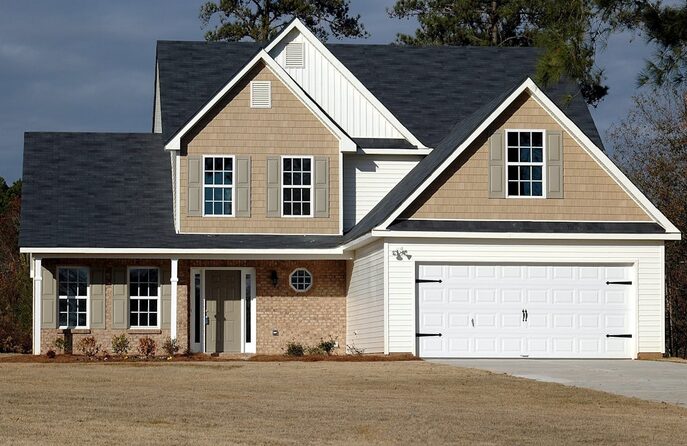
Modern homes have evolved alongside changing lifestyles. Many households now balance work, relaxation, entertainment, and family activities within the same space. While technology and open layouts have made homes more connected, they have also increased noise and constant stimulation. Because of this shift, quiet spaces are becoming more valuable in home design. These areas allow individuals to step away from distractions and focus on rest, concentration, or personal reflection. As daily life grows busier, having a calm environment inside the home has become increasingly important. Quiet spaces offer more than silence. They provide a sense of balance that supports both mental well-being and productivity.
The Impact of Constant Noise
Daily life today involves continuous sound and activity. Televisions, mobile devices, home appliances, and online communication all contribute to a constant stream of information and noise. While technology brings convenience, it also creates environments where true silence is rare. Over time, this constant stimulation can lead to fatigue and difficulty concentrating. Quiet spaces help reduce these pressures. A room or corner designed for calm allows individuals to disconnect from digital distractions and external noise. Even short periods of quiet can restore mental clarity and improve overall comfort within the home.
Supporting Work and Focus at Home

Remote work has changed how many people use their living spaces. Homes now function as offices, classrooms, and meeting rooms in addition to traditional living areas. This shift has increased the need for environments that support concentration. Quiet spaces provide a setting where individuals can focus on tasks without interruption. A dedicated work corner, reading room, or small study area can make a significant difference in productivity. When distractions remain limited, individuals can complete tasks more efficiently. Creating quiet zones within the home helps ensure that work and relaxation remain balanced rather than competing for attention.
Encouraging Mental Rest and Reflection
Quiet spaces also play an important role in emotional well-being. Continuous activity and digital communication can make it difficult for individuals to pause and reflect. Having a calm area inside the home allows people to step away from busy routines. These moments support relaxation, mindfulness, and personal reflection. Activities such as reading, meditation, or journaling often feel more meaningful in peaceful surroundings. Quiet spaces help create an environment where these activities can occur naturally. Regular moments of calm help ensure mental health remains a priority in everyday life.
Designing Elements That Create Calm
The design of quiet spaces often emphasizes simplicity and comfort. Soft lighting, natural materials, and minimal decoration help create a calming atmosphere. Furniture arranged for comfort rather than activity supports relaxation. Comfortable chairs, soft textiles, and natural textures encourage individuals to slow down and enjoy the environment. Sound control also plays an important role. Carpets, curtains, and bookshelves can help reduce noise within a room. Natural light often enhances these spaces as well. Windows that allow sunlight to enter gently contribute to a sense of openness and calm.
Considering Quiet Spaces for Family Balance
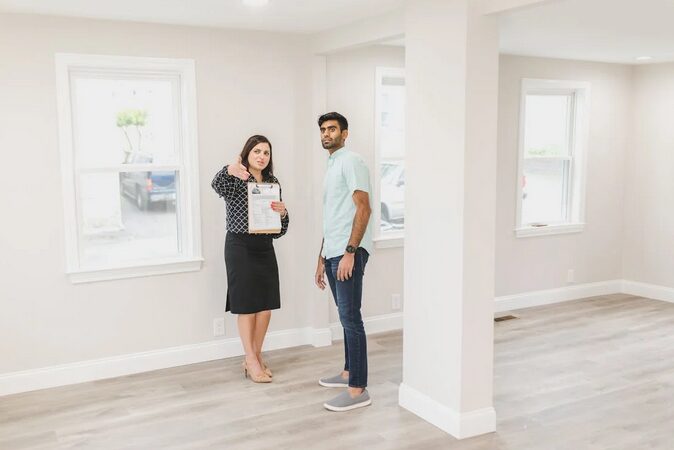
Families benefit from quiet spaces as well. In busy households, children and adults may need moments of personal time during the day. A small, quiet area can provide a place where individuals read, study, or simply relax. These spaces support healthy boundaries between shared activities and personal time. For children, quiet environments may help with homework or creative projects. Adults may use these areas for reflection or focused work. Quiet spaces allow every member of the household to experience moments of calm within a shared living environment.
The Growing Value of Personal Retreats
Modern life often moves quickly. Work responsibilities, digital communication, and social commitments can fill every hour of the day. Because of this pace, many homeowners now see quiet spaces as essential rather than optional. These areas serve as personal retreats within the home. A quiet corner does not require large rooms or elaborate renovations. Even small adjustments, such as creating a reading nook or arranging a calm seating area, can provide meaningful benefits. These retreats help ensure that the home remains a place of restoration rather than constant activity.
Quiet spaces are becoming an important feature in modern homes. As lifestyles grow more demanding and connected, individuals need places where they can pause, reflect, and recharge. These spaces support concentration, emotional balance, and family harmony. Thoughtful design elements help create environments that encourage calm and comfort. By incorporating quiet areas into home design, homeowners can build living spaces that support both productivity and well-being. In a world filled with constant activity, a peaceful corner of the home offers lasting value.